Monday, May 2, 2011

Animal of the Week - butterflies

I saw my first Spring Azure this past weekend. So butterfly season is upon us!

Butterflies are insects - that means they have three body parts, six legs and wings as adults. They have an exoskeleton and that means their skeleton is on the outside.

Butterflies have a complete metamorphosis (remember that is the science word for change) going from an egg to a larvae (caterpillar) to a chrysalis and finally to an adult butterfly.

Butterflies eat nectar as adults. They have a long proboscis (tongue) that is hollow. They slurp up the nectar from plants. As larvae they also eat plants but as babies they eat the leaves of plants.

Butterflies can fly as fast as 12 miles per hour. While that may be faster than I can run, the fastest human being can run about 22 miles per hour.

Monday, April 25, 2011

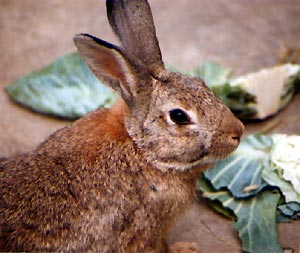
Animal of the Week - Rabbits

Photo from http://www.copyright-free-photos.org.uk/rabbits/01-cute-rabbit.htm.

In our post chocolate and jelly bean haze, I thought it might be fun to learn about real rabbits this week.

Cottontail rabbits, the most common of six species of rabbits in the US, can be found in almost any grassy habitat. Rabbits are vegetarians and eat plants in the warmer weather and bark and twigs in the winter. They most often come to people's attention when they start eating tender plants set out in the spring.

Rabbits can live as long as two years in the wild and they do have lots of babies. Rabbits can have up to four litters in a year with as many as eight babies in each litter.

For your best chances of seeing a rabbit, you have to get up early or stay up late - rabbits are most often seen at dawn and just after dusk.


Friday, April 22, 2011

Fun Friday Fact

If a worm gets chopped in two, the head end can regenerate into a fresh worm.

One other cool fact is that worms are hermaphrodites - that means they have male and female reproductive organs. They still mate with other worms by lining up next to each other so the opposite organs match up.

Happy Earth Day!

Thursday, April 21, 2011

Dirt on the Web

Here are some fun places to explore soil on the web:

*Get the Dirt on Soil. This site has some interactive soil games and a great field guide to soil.

*ISM Geology. This site has a ton of great lessons on geology for all grades. Activities are well thought out and they suggest well-written books as part of their lessons. This lesson is for kindergarten.

*Sorting Rocks. While this is totally about rocks and sort them by size, the process they employ is a good template. There are a number of more advanced lessons on earth science available.

Fun with Dirt

Ok - now I was going to title this post dirty fun, but I was a little concerned I might get some unexpected comments!

Here are some clean ways to enjoy dirt! They will work well with kids of different ages as well as just one child.

Make Mud Bricks: Add a small amount of water to different kinds of dirt and dirt with sticks or leaves. Pack in to a brick mold or some sand toys. Let them dry in the sun for a day or two. Make some predictions about which bricks will be the strongest? How could you test your idea? Unmold them and test your ideas.

What is in the dirt? Put dirt in a kitchen strainer and pour water thru it. What happens? What stays and what goes thru? Now put a coffee filter in the strainer and do the same thing. What is left behind now?

Erosion: Make a mountain of dirt and slowly pour water over it. What happens? Make your mountain again. What would happen if you poured water quickly or in a different place?

Growing: Do a dirt scavenger hunt in your yard. Gather up some pots and put different kinds of dirt in to each pot. Then put in a seed or plant and see which soil is best for growing plants.

Eat Dirt: Make chocolate pudding and sprinkle the top with crushed chocolate cookies or chocolate graham crackers. Add some gummy worms and you have dirt for lunch!

Monday, April 18, 2011

Animal of the Week - Earthworms

Image from gagetscience.com

Earthworms are wicked cool creatures. The tunnel through soil helping air and water to circulate more freely and their poop is down right legendary. Worms eat all kinds of dead material, chew it up and then poop it out. Worm poop is called castings.

Ranging in size between a few inches and 22 feet long, earthworms can be found on every continent except Antarctica. The biggest worms are found in souther Africa and Australia. There are some worms in the Pacific northwest can be around two feet long. One species in the Philippines is blue!

Worms don't have eyes like we do, but they do have cells in their body that are sensitive to light. Generally they burrow or turn away from the light.

Worms breath through their skin - so if you pick them up - and who doesn't! - make sure you don't have bug spray on them.

Thursday, April 14, 2011

Fun Friday Fact

Chickens are the closest living relative of the T. Rex.

Puts a whole new spin on chickens!